Cutting Machines for Screen Printing: Technology and Precision for Membrane Keypads
Published in Specialist Printing World Wide | Issue 1 2025
We are sharing an interesting article written by our sales manager Matteo Muto, published in Specialist Printing magazine. The article explores the cutting-machine technology used for membrane switches, its importance in the production process and the key considerations for choosing the right equipment.
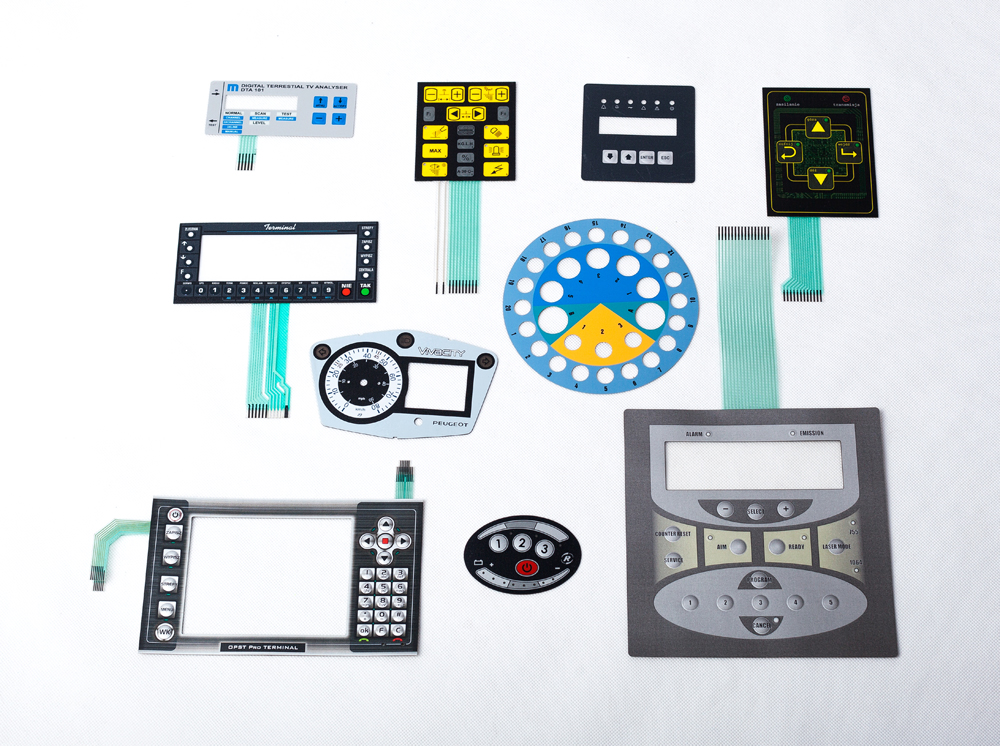
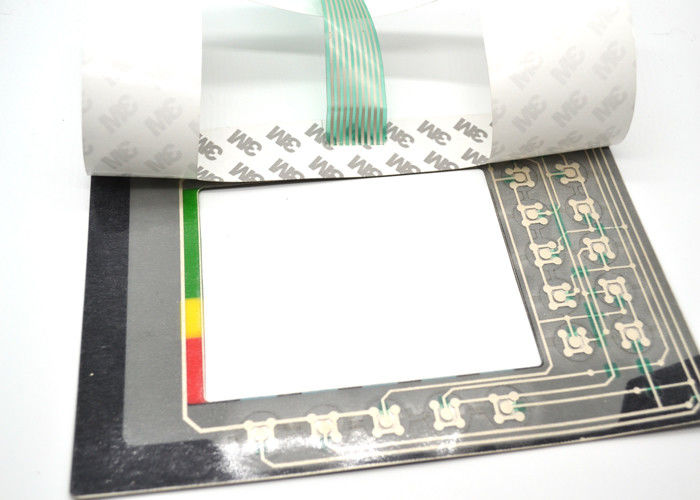
In the world of electronic components, membrane switches are a popular choice for creating user interfaces for devices ranging from household appliances to industrial machinery. These switches offer advantages like durability, flexibility, and ease of use. As most of industrial process, you cannot split it from the printing process. Touch panels, capacitive keyboards are the perfect examples. As a rule, membrane keyboards are made up of several individual layers, which are placed on top of each other and so constitute the overall structure of the control elements. The top layer is called the overlay and is very often made of polycarbonate or polyester. The rear side of the foil is printed, in order to ensure the best possible protection against abrasion.
The typical application used here is silkscreen printing, although a sharp rise in the use of digital printing can be observed in this industrial segment due to the need for flexibility. The design and functionality of these switches make them suitable for applications where durability, space efficiency, and easy cleaning are essential.
One of the most known screen-printed materials is polycarbonate. Polycarbonate is a type of plastic that is naturally transparent and lightweight. It stands out for remarkable longevity as it is technically unbreakable and tougher than other clear sheet materials with similar thicknesses. It is for this reason that polycarbonate is a common option for making printed signage. Membrane switches do not generally exceed 1 mm thickness, their rigidity varies according to the layers and adhesive used.
However, one of the most crucial aspects of manufacturing membrane switches is the cutting process. Cutting machines used for membrane switches play a significant role in ensuring precision, speed, and the overall quality of the final product. In this article, we explore the
cutting machine technology used for membrane switches, its importance in the production process, and the key considerations for choosing the right equipment.

Matteo Muto
Sales & Marketing Manager at Valiani
“Flatbed-cutting machines are versatile and can handle a wide range of materials”
Key factors for precision cutting:
- Layer Alignment: Membrane switches consist of multiple layers, including conductive layers, adhesive, and graphic overlays. Misalignment during cutting can lead to faulty switches.
- Thickness Control: Different layers of the membrane switch vary in thickness, and it is important that the cutting machine can handle these variations without compromising the integrity of the materials.
- Edge Quality: Clean, smooth edges are necessary for both aesthetic and functional reasons. Rough or jagged edges can lead to wear and tear, reducing the lifespan of the switch and negatively impacting user experience.
There are few devices to cut this plastic materials, including rotary cutters and laser, but the resort to flatbed cutting machines is getting more and more popular. Some may mistakenly think to use a roll-to-roll cutter, but this type of operation allows them very often to cut only the film top-layer, leaving the backing material intact. For more resistant materials, the main option is definitely the flatbed cutter.
Flatbed Cutting Machines
- Overview: A flatbed cutting machine uses a stationary blade that moves in a straight line to cut through the material. The material is typically placed on a flat surface while the blade moves to cut shapes.
- Benefits: Flatbed cutting machines are versatile and can handle a wide range of materials, from flexible films to rigid plastics. They also allow for the cutting of larger sheets of material in a single pass.
- Print on demand and customized shapes: Hardly an industrial product today is square, rectangular or round. Nor can it be standardized within predefined forms. For this reason, you have no other choice than purchasing a digital cutting system.
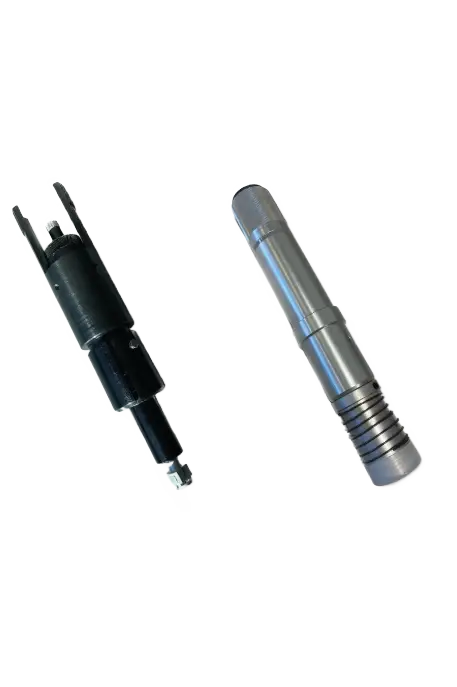
- Cut through vs kiss cut: Flatbed cutting machines offer a dual option thanks to its modular holders. You can use a tool for cutting through the material (especially for most rigid ones) or another tool for kiss cutting, basically peeling off the top layer without undermining the back side.

Key Considerations When Choosing a Cutting Machine
When selecting a cutting machine for membrane switches, several factors must be taken into account to ensure that the equipment meets the specific needs of the production process.
- Material Compatibility
The cutting machine must be capable of handling the materials used in membrane switches, such as polyester, polycarbonate, and adhesive-backed films. Some machines are better suited to thinner materials, while others can handle thicker substrates or multi-layered constructions.
- Cutting Precision
The level of precision required depends on the complexity of the design. Laser cutters, for example, provide the highest degree of accuracy, while die-cutting machines can handle intricate designs with great consistency.
- Speed and Efficiency Balance
High-speed cutting machines can significantly improve throughput in high volume production runs. It’s important to balance speed with precision to ensure that quality is not sacrificed for faster production.
- Cost-Effectiveness
While high-end cutting machines offer superior precision and versatility, they can come at a higher upfront cost. It is important to weigh the benefits of advanced technology against the production volume and budget.
- Automation and Integration
Modern cutting machines often come equipped with automation features, such as automatic material feeding and cutting path adjustments, which can enhance efficiency. Additionally, seamless integration with other manufacturing equipment (e.g., printing or lamination systems) can streamline the production process.
- Milling option to handle a wider range of materials
Possibility to expand the business into new directions, handling with new materials and get closer to more and more customers. Some flatbed cutters may house a 1 kw router to mill typical media of the signage industry, such as aluminium composite dibond, plexiglass and PVC.
- Maintenance and Support
The reliability and ease of maintenance of a cutting machine are critical factors. Regular maintenance ensures consistent performance, while good customer support and training can help reduce downtime.
Conclusion
The cutting process for membrane switches is essential to ensuring the final product meets high standards of precision, functionality, and durability. Whether using die-cutting, laser cutting, rotary cutting, or flatbed cutting, selecting the right cutting machine is key to achieving the desired results. Manufacturers must carefully consider material compatibility, cutting precision, speed, cost, and other factors when choosing the most appropriate machine for their production needs. As the demand for more advanced and custom membrane switch designs grows, cutting machine technology continues to evolve, offering innovative solutions to meet the challenges of modern production.